The City of Emeryville has approved a Climate Action Plan and
goal for reducing its emissions to protect the climate. By 2020,
the city plans on reducing emissions from the whole community and
the government operations by 25 percent over 2004 levels. The
city’s website include links to the adopting resolution, staff
report and baseline emissions inventory.
The following summarizes major resources to support
sustainability efforts. The summary is not intended to be
exhaustive. Additional targeted or other resources may be
available in individual geographic areas. Because funding
sources, eligibility criteria and availability change constantly,
local officials are encouraged to review the programs themselves
carefully.
The City of Martinez Climate Action Plan presents goals,
principles, and strategies for reducing the city’s greenhouse gas
emissions, conserving energy and natural resources,and preparing
the community for the expected effects of global warming.
Local agencies throughout California are striving to reduce
costs, even as the demand for services grows. In this
environment, improving efficiency helps agencies do more with
their existing resources and can offer a high return on
investment. This whitepaper offers suggestions on working with
energy utilities to finance energy efficiency improvements.
The Intergovernmental Panel on Climate Change, also known as the
IPCC, is the leading body for the assessment of climate
change, established by the United Nations Environment
Programme and the World Meteorological Organization to
provide the world with a clear scientific view on the current
state of climate change and its potential environmental and
socio-economic consequences.
Clean Cities strives to advance the nation’s economic,
environmental, and energy security by supporting local decisions
to adopt practices that contribute to the reduction of petroleum
consumption. Clean Cities has a network of approximately 90
volunteer coalitions, which develop public/private partnerships
to promote alternative fuels and advanced vehicles, fuel blends,
fuel economy, hybrid vehicles, and idle reduction.

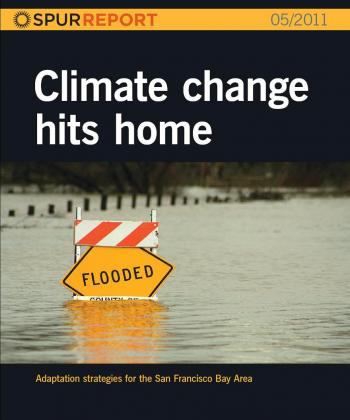
Adaptation planning in the Bay Area is defining what it means to
live with a rising Bay. Access reports and projects by the
San Francisco Bay Conservation and Development Commission (BCDC)
that reflects the current state of knowledge regarding the
potential impacts of climate change on the region.
The California State Building Standards Commission features all
of California building codes, a variety of resources and the 2010
California Green Building Code (CalGreen Code).
This program of the non-profit Building Industry Institute
provides guidelines and certification systems, and encourages
voluntary partnerships between builders and local governments to
build cost-effective, green homes that benefit homebuyers and the
community at large through improvements in energy efficiency,
indoor air quality and comfort, on-site waste recycling, and
water and wood conservation.
Build It Green is a non-profit membership organization
providing green building guidelines and rating systems (such as
the GreenPoint Rated home rating system). The organization
also offers training, tools, technical expertise and partnership
opportunities for a variety of key stakeholders, including public
agencies, to accelerate the adoption of green building practices.
These stewardship principles, developed by the Local Government
Commission, can help cities and counties reduce costs and improve
the reliability and quality of water resources. The
Awhahnee Water Principles are meant to compliment the original
Ahwahnee Principles for Resource-Efficient Land Use.
The Association of California Water Agencies (ACWA) is the
largest statewide coalition of public water agencies in the
country. Its nearly 450 public agency members collectively
are responsible for 90% of the water delivered to cities, farms
and businesses in California.