Decisions surrounding planning and community design can have
significant impacts on the physical, social and mental health of
community members. Community design features, such as mixed use
development, open space and greenways, and farmers’ markets and
community gardens can:
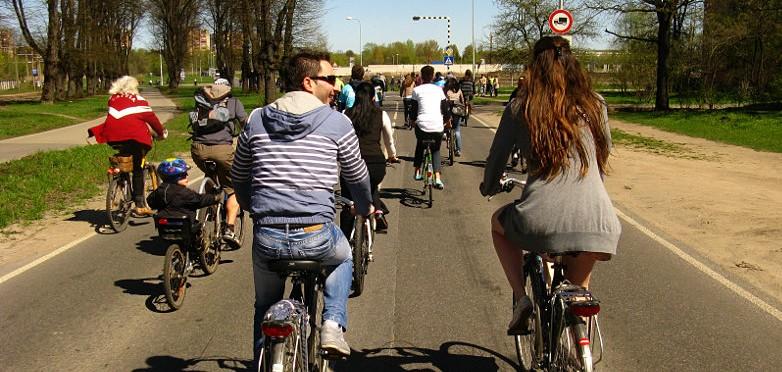
Influence residents’ mode choice
Impact the ability of residents of all ages and abilities to
be physically active
Affect opportunities for social interaction
Inform personal food choices
Provide access to nature to promote activity, reduce stress
and improve health
Key words: active living, mixed use development, infill
development, climate change action, farmers’ markets, community
gardens, access to nature, open space, greenways
Creating neighborhoods that locate parks near residential areas,
provide community spaces that are aesthetically pleasing, and
allow for compact mixed-use development that co-locates housing,
jobs, services, and transportation and facilitates walking and
bicycling are all design features that promote health.
These case stories highlight examples of creating healthy
neighborhoods by way of planning and community design. Each
story includes lessons learned, links to additional resources and
can serve as examples other agencies may consider and adapt to
meet their communities’ unique circumstances.